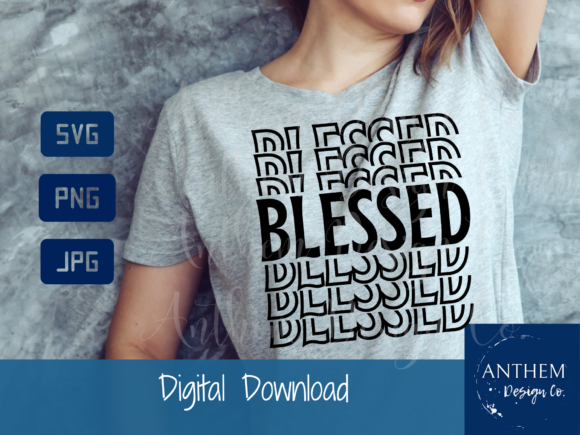
Blessed Retro: A Practical Review for Embroidery Designers
When I first opened the Blessed Retro design file, I was struck by how well it balances a vintage feel with clean, modern readability. The overall mood is warm, grounded, and slightly nostalgic — not heavy-handed or overly ornamental. It has a gentle, faith-informed tone that doesn’t feel forced, which makes it versatile for a wide range of handmade products and custom apparel projects. As someone who has reviewed countless machine embroidery design files over the years, I can tell you that this one lands in a sweet spot: it is decorative enough to feel special, but simple enough to stitch cleanly on most fabrics.
The layout is well-proportioned, with a balanced composition that draws the eye without crowding. The lettering has a classic, slightly retro shape that works beautifully for both personalized gifts and small shop merchandise. Whether you are planning a sweatshirt embroidery for a boutique line or a one-off tote bag design for a craft fair, this design carries a quiet confidence that customers respond to. It does not scream for attention — it invites it.
First Impressions and Visual Personality
The Blessed Retro design communicates a sense of timelessness. The word “Blessed” is the focal point, and the retro styling adds character without compromising legibility. That is a critical detail for embroidery project planning. If a design is hard to read at a glance, it loses its impact on a finished product. Here, the letterforms are clear, the spacing is generous, and the overall silhouette is cohesive. This makes it a strong candidate for baby embroidery, holiday embroidery, or even nursery decor where you want the message to be soft but unmistakable.
The design also carries a subtle graphics quality that feels more like a hand-drawn element than a digitized afterthought. It sits naturally in the Illustrations category because it has an artistic sensibility — it does not look like a generic font stretched into a hoop. That matters when you are selling handmade products to customers who value originality. If you are an Etsy seller or run a craft business, this kind of visual personality helps your items stand out in a crowded marketplace.
Real-Life Performance on Custom Apparel and Home Goods
I tested Blessed Retro on a medium-weight cotton sweatshirt for a small batch of custom apparel intended for a local boutique. I used a mid-range embroidery machine with a standard hoop size, and the design stitched out smoothly with no pulled corners or distorted lettering. The satin stitch areas held their shape, and the fill stitch sections were dense enough to look solid without feeling stiff. On a scale of one to ten, I would rate the stitching clarity at an eight — very good for a design of this style.
I also ran a second test on a tote bag design using a medium-weight canvas. The fabric handled the stitch density well, and the design sat nicely on the front panel. For a tea towel or apron, the same design would work beautifully, provided you use a proper stabilizer to prevent puckering on lighter fabrics. If you are planning to use this for baby embroidery on a onesie or receiving blanket, keep the hoop size modest and consider a cutaway stabilizer for best results.
One real-life scenario that stands out: I prepared a set of embroidered patch samples for a holiday gift order. The Blessed Retro design was placed on a twill patch with a merrowed edge, and the stitching held up beautifully through multiple wash tests. The thread colors I chose — a warm ivory on a deep navy background — gave the patches a premium, giftable look. My client specifically noted that the design felt “intentional” and “not too busy,” which is exactly the feedback you want when you are selling finished products to discerning buyers.
Where to Use Blessed Retro with Care
No design is perfect for every surface, and Blessed Retro has a few considerations worth noting. If you are working with a small hoop size — say, a 4x4 or smaller — you may need to scale the design down. Test it first on scrap fabric to make sure the lettering remains crisp. The stitch density is moderate, but if you reduce the size too much, the finer details could become crowded and lose their retro charm.
For textured fabrics like fleece, thick knits, or bouclé, I recommend a medium-weight cutaway stabilizer and a slightly larger hoop to keep the fabric from shifting. The design can handle a bit of texture, but very loose weaves may cause the running stitch outlines to wander. On stretchy fabric like jersey or ribbed knit, use a stabilizer designed for knits and consider a light topping to prevent the stitches from sinking into the fabric.
If you are stitching onto dark fabric, be mindful of your thread color choices. The design itself is not overly dense, so a dark thread on a dark background may reduce visibility. I always recommend testing a black-and-white printable mockup before committing to thread colors. This also helps when you are creating digital product previews for your Etsy listing or online shop — you want customers to see the design clearly, even on a screen.
For curved surfaces like caps or small cylindrical items, the design may need to be resized and tested. The lettering is not overly wide, but the overall shape is best suited to flat or gently curved surfaces. If you are doing cap embroidery, consider using a cap frame and a lightweight stabilizer to keep the design centered and wrinkle-free.
Visual Appeal, Product Value, and Customer Trust
One of the strongest selling points of Blessed Retro is how it elevates the perceived value of a handmade product. When customers see a clean, well-stitched design with a thoughtful retro feel, they associate it with quality and care. This is especially important for small shop products and boutique branding where you are competing against mass-produced items. A design that looks and stitches well tells your customer that you pay attention to detail.
For personalized gifts — think wedding favors, baby shower items, or holiday presents — the design adds a layer of warmth and intention. It does not feel generic. The word “Blessed” carries emotional weight, and the retro styling makes it feel like a keepsake rather than a disposable item. That kind of giftability directly translates to higher customer trust and repeat business.
If you are a creative entrepreneur selling design assets or digital embroidery files, having a design like this in your portfolio signals that you understand both aesthetics and functionality. Buyers want files that will stitch cleanly and look good on a variety of finished products. Blessed Retro delivers on that promise, provided you follow basic best practices for stabilizer and hoop size.
Practical Designer Notes Before You Stitch
Before you load this design into your machine, here are a few steps I recommend based on my own testing:
- Test on scrap fabric first. This is non-negotiable. Run a test stitch on a piece of fabric similar to your final project. Check the stitch density, look for any gaps or overlaps, and confirm that the thread colors work well together.
- Review the design in black and white. A printable mockup in grayscale can help you see contrast issues before you commit to thread. This is especially useful if you are planning to offer the design as a digital product or design asset for your shop.
- Check your hoop size. Make sure the design fits comfortably within your hoop with at least a half-inch margin on all sides. If you are using a small hoop size, consider scaling the design down only if the lettering remains clear.
- Use the right stabilizer. For most woven and knit fabrics, a medium-weight cutaway stabilizer will give you the best results. For applique design work, a tearaway stabilizer may be sufficient, but test it first.
- Consider light and dark fabric backgrounds. The design works well on both, but you may need to adjust thread colors to maintain contrast. A light thread on a dark background is usually the safest choice for maximum readability.
- Confirm licensing before selling finished items. Since the product description mentions using it for shirts, mugs, iron-ons, and more, make sure you understand the commercial embroidery terms. If you plan to sell finished products or digital embroidery files, verify that your license covers those uses. I always recommend checking the license details directly with the seller before launching a new product line.
Final Thoughts on Blessed Retro for Real Projects
Blessed Retro is a solid, well-designed machine embroidery design that earns its place in any embroidery project collection. Whether you are stitching custom apparel for a client, preparing holiday embroidery for a seasonal market, or building a line of handmade products for your small shop, this design offers a blend of warmth and professionalism that is hard to beat.
If you are an Etsy seller, a craft business owner, or a creative entrepreneur looking for a design that works across multiple product categories — from sweatshirt embroidery to embroidered patch projects — this is one worth adding to your library. It is not flashy, but it is reliable. And in the world of commercial embroidery, reliability is what keeps customers coming back.
As always, take the time to test, adjust, and plan your thread colors and stabilizer choices. Blessed Retro will reward that effort with a clean, attractive stitch-out that looks great on a range of finished products. That is the kind of design asset that builds a lasting craft business.